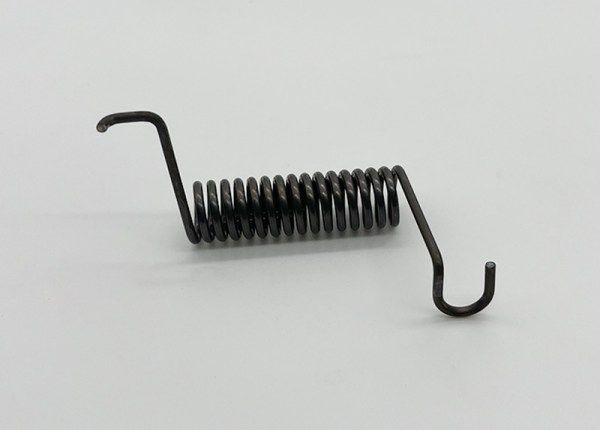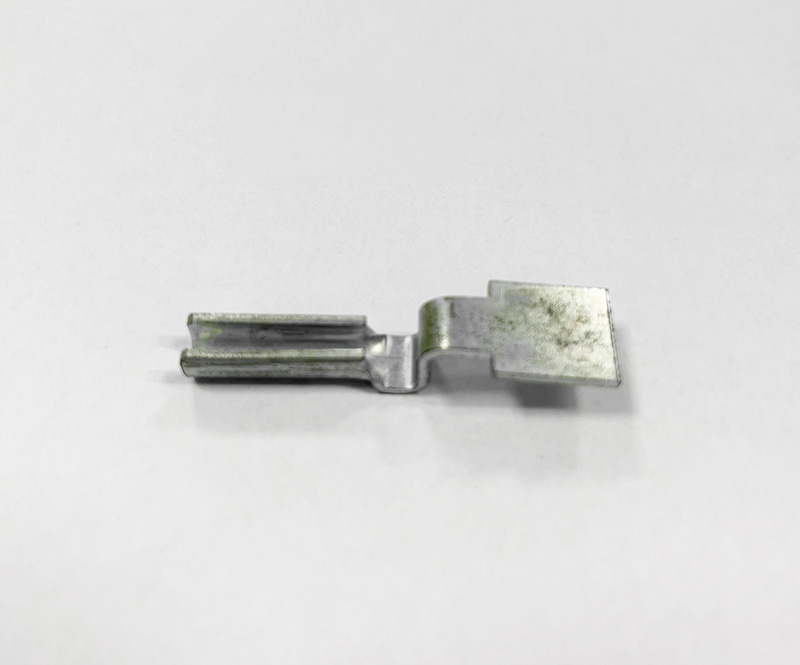
The manufacturing materials for shrapnel generally should have a high elastic limit, fatigue limit, impact toughness, and good heat treatment properties. Common materials include carbon spring steel, alloy spring steel, stainless steel springs, as well as copper alloy, nickel alloy, and rubber. The manufacturing methods for springs include cold rolling and hot rolling. Springs with a wire diameter of less than 8 millimeters are generally made using the cold rolling method, while those greater than 8 millimeters use the hot rolling method. Some springs undergo compression or shot peening treatment after production to enhance their load-carrying capacity.
Based on the characteristics of the materials, shrapnels are applied in different actuating mechanisms for various environments. They are widely used in various contact devices, with the simpler straight cantilever shrapnels being the most common. The resistance of the contact pieces must be low, which is why they are made from bronze.
The function of measurement shrapnels is to convert force or displacement. If the fixed structure and load-bearing method can ensure that the working length of the spring remains unchanged, the stiffness of the leaf spring is constant within small deformation ranges. If necessary, nonlinear characteristics can also be achieved, such as pressing the spring on a limit plate or adjusting screws to change its working length.
Shrapnels are widely used elastic components in the mechanical and electronic industries. Stainless steel springs can produce significant elastic deformation under load, converting mechanical work or kinetic energy into deformation energy. Once unloaded, the deformation of the springs disappears and returns to its original state, converting the deformation energy back into mechanical work or kinetic energy.
-
Torsional Spring
The torsion spring belongs to the spiral spring category. The ends of the torsion spring are fixed to...
-
Connector Shrapnel
The surface treatment of connector shrapnel involves artificially forming a layer on the surface of the product material...